
Healthcare facility

Account Reconciliation

Reconciling accounts is not a process that is universal.It covers several aspects of the balance sheet.Every kind of Reconciliation, from funds and receivables to intercompany and savings, guaranties that your records accurately depict the state of the economy and withstand audit examination.The financial institution account balance and the cash balance in a company's books can not always match.A number of things, including missed entries, failed payments, fees, or interest accumulated, can cause this disparity.
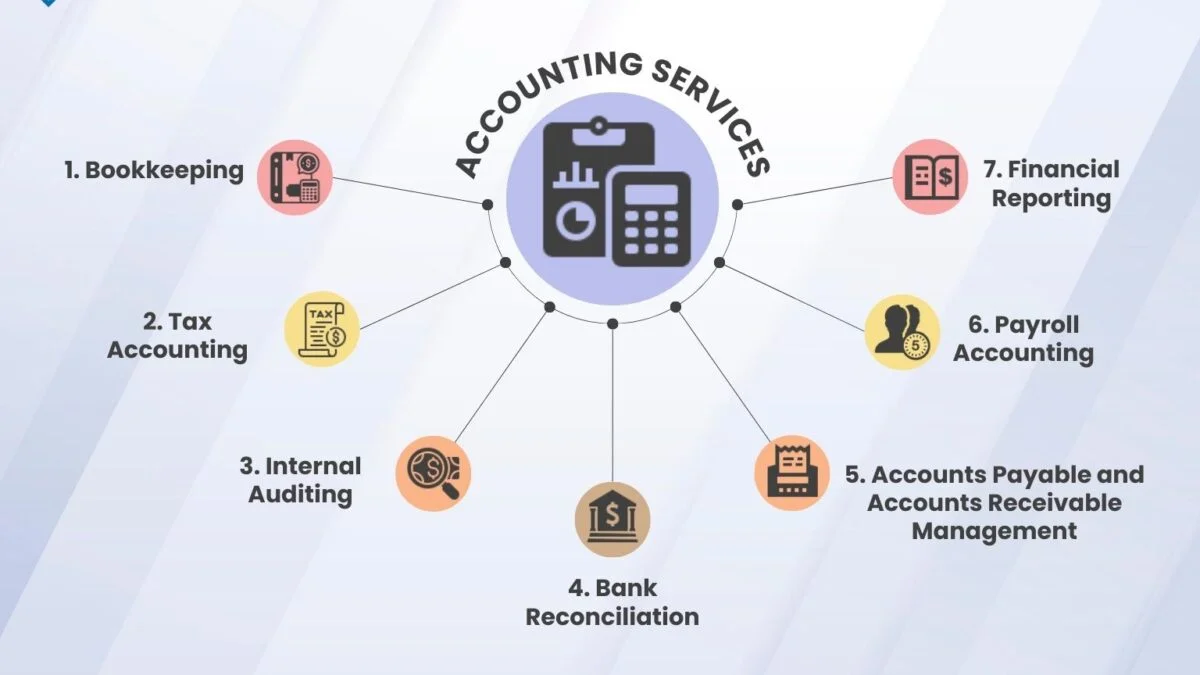
Reconciling these balances helps identify possible problems early on and guaranties the correctness of financial records.The money that a business owes its vendors, suppliers, and workers is referred to as accounts payable.Developing and delivering goods and services requires efficient accounts payable management.In order to detect problems like late payments, disagreements, or overlooked early payment discounts, as well as to guaranty operational effectiveness and uphold positive supplier relationships, regular accounts payable reconciliation is essential.

Precision is driven by consistent reconciliation.It ensures GAAP compliance, highlights discrepancies, and exposes fraud or billing anomalies by aligning ledger entries with bank statements, receivables, and payables.To put it briefly, it leads to better calls at the executive table, fewer surprises, and clean books.The account reconciliation procedure has the following advantages.